
Ziplyft™ Eyelid Lift in Northern Virginia
A less invasive way to lift heavy, hooded upper eyelids.
Ziplyft™ actually removes excess upper-eyelid skin through a minimally invasive procedure performed right in the office. It uses local anesthetic, requires no sutures or cautery, and is designed for a simpler recovery than traditional upper blepharoplasty.
What is Ziplyft?
How is it different from traditional eyelid surgery?
Ziplyft is a minimally invasive upper eyelid lift that physically removes the excess skin causing heavy, hooded or tired-looking eyes.
Unlike traditional upper blepharoplasty, Ziplyft is performed in the physician’s office in less than 15 minutes using local anesthetic, without sutures or cautery — and most patients are typically event-ready within 7–10 days.
It is designed primarily for patients whose main concern is excess upper-eyelid skin.
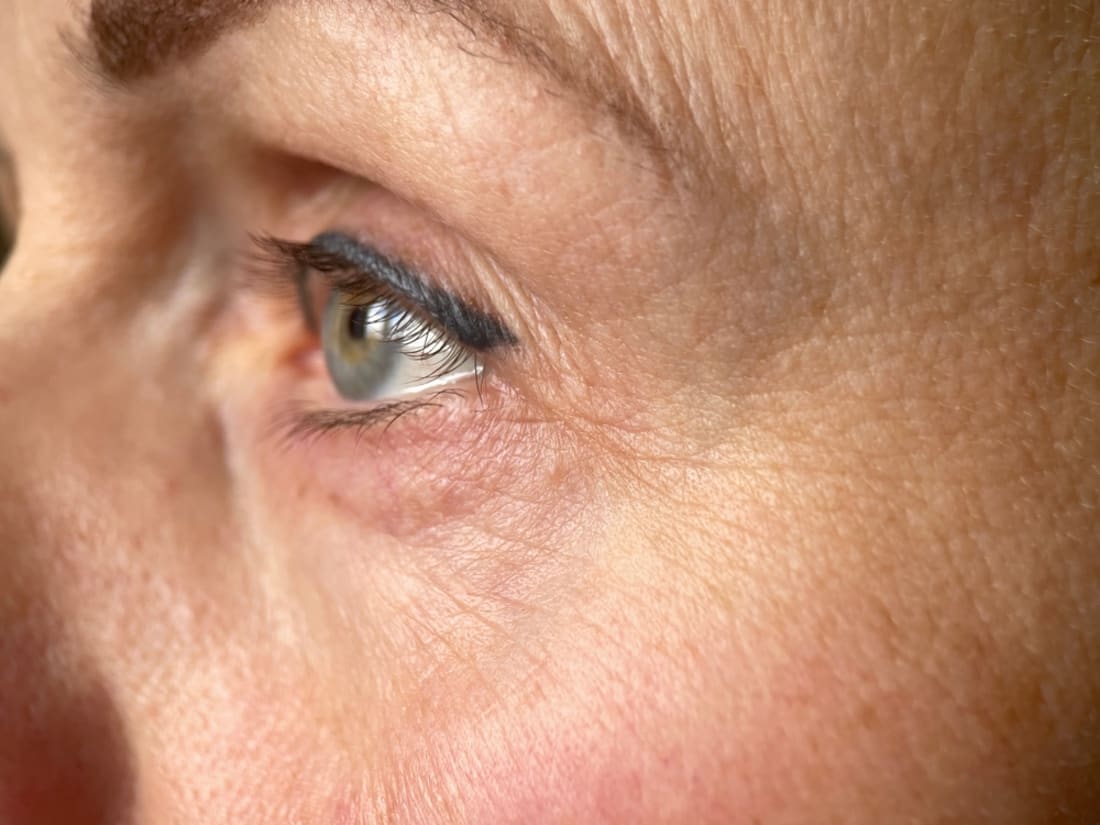
- 1Excess skin. Marked before treatment — this is what Ziplyft removes.
- 2The natural crease. Where the treatment line sits, sealed with adhesive instead of sutures.
When your eyes look more tired than you feel
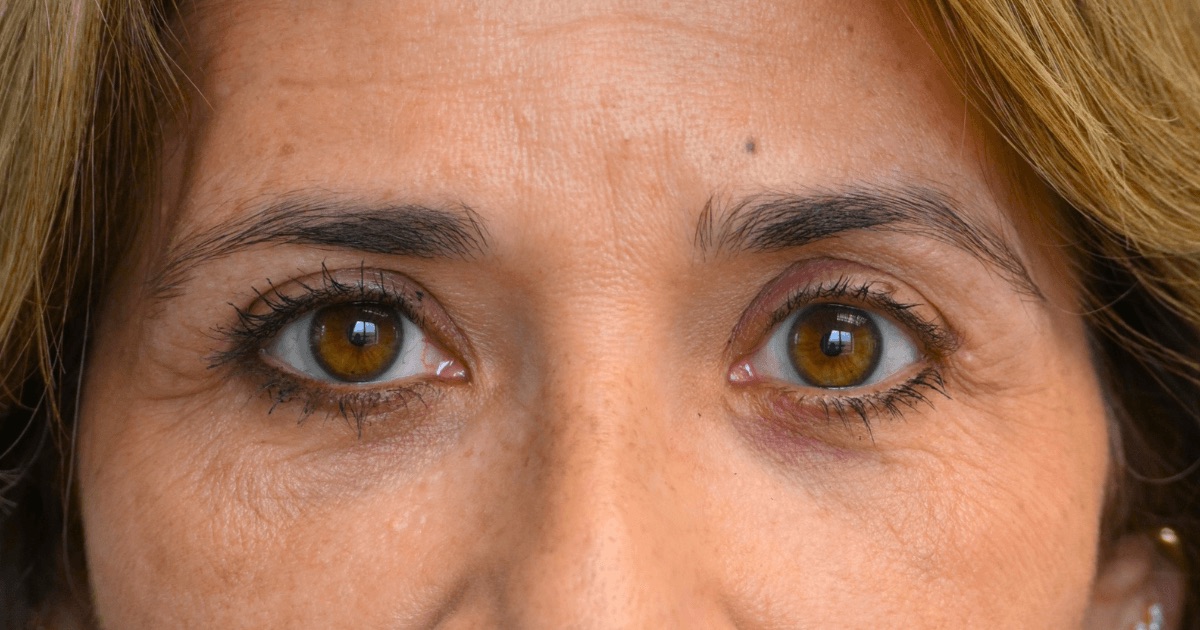
Excess upper-eyelid skin can make your eyes appear heavier, hooded or tired — even when you feel completely rested.
Creams and surface treatments may improve the appearance of the skin, but they do not remove excess skin. Traditional upper blepharoplasty does. Ziplyft offers another option: actual removal of excess upper-eyelid skin through a minimally invasive, physician-performed treatment.
How does Ziplyft work?
Ziplyft uses Compression Skin Contouring — CoCo™ technology — to compress precisely marked excess skin before it is removed.
Compression controls blood flow during treatment, so the targeted skin can be removed without cautery. The edges are then sealed with medical-grade tissue adhesive rather than stitches.
-
Compress
Precisely marked excess skin is gently compressed to control blood flow before removal.
-
Remove
The targeted skin is removed while the tissue stays compressed, minimizing bleeding without cautery.
-
Seal
The skin edges are closed with medical-grade adhesive — no sutures to remove later.
A real eyelid lift.
A much simpler experience.
For the right patient, Ziplyft can provide meaningful upper-eyelid rejuvenation without many of the things commonly associated with traditional eyelid surgery.
What Ziplyft does
- Removes actual excess upper-eyelid skin
- Less than 15-minute procedure
- Performed in the physician’s office
- Local anesthetic only
- Medical adhesive closure
- Minimal bruising and swelling
- Typically event-ready within 7–10 days
What it leaves out
- No IV sedation
- No general anesthesia
- No sutures
- No cautery
See what a more open, refreshed look can do
Ziplyft isn’t about changing your eyes or making you look like someone else.
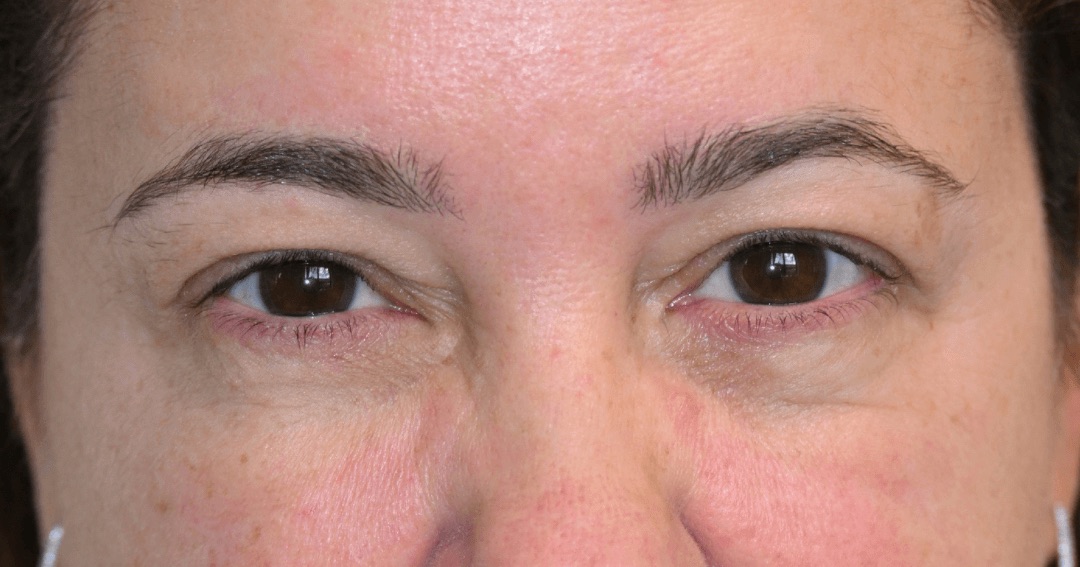
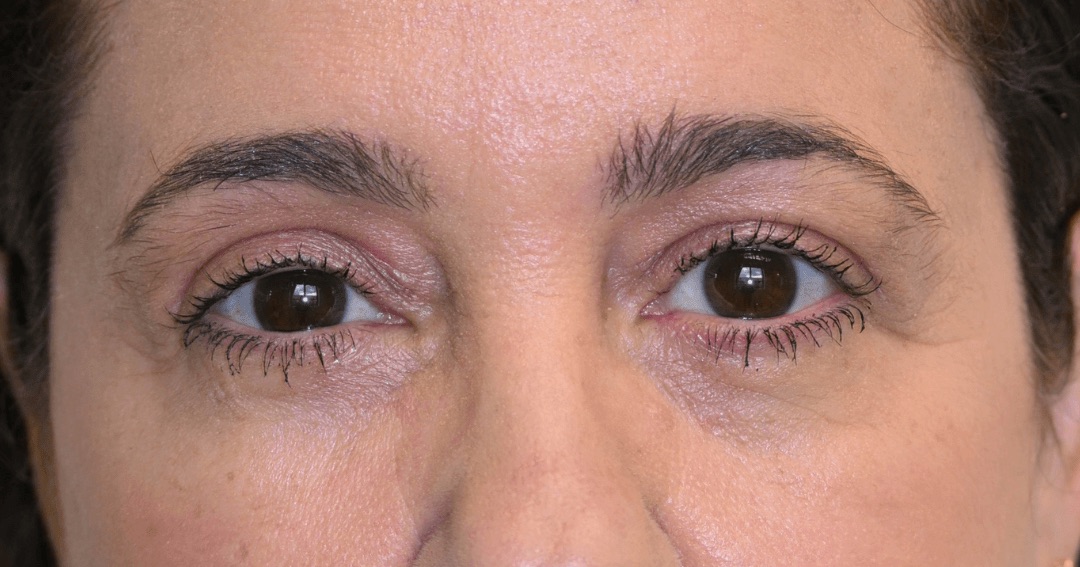
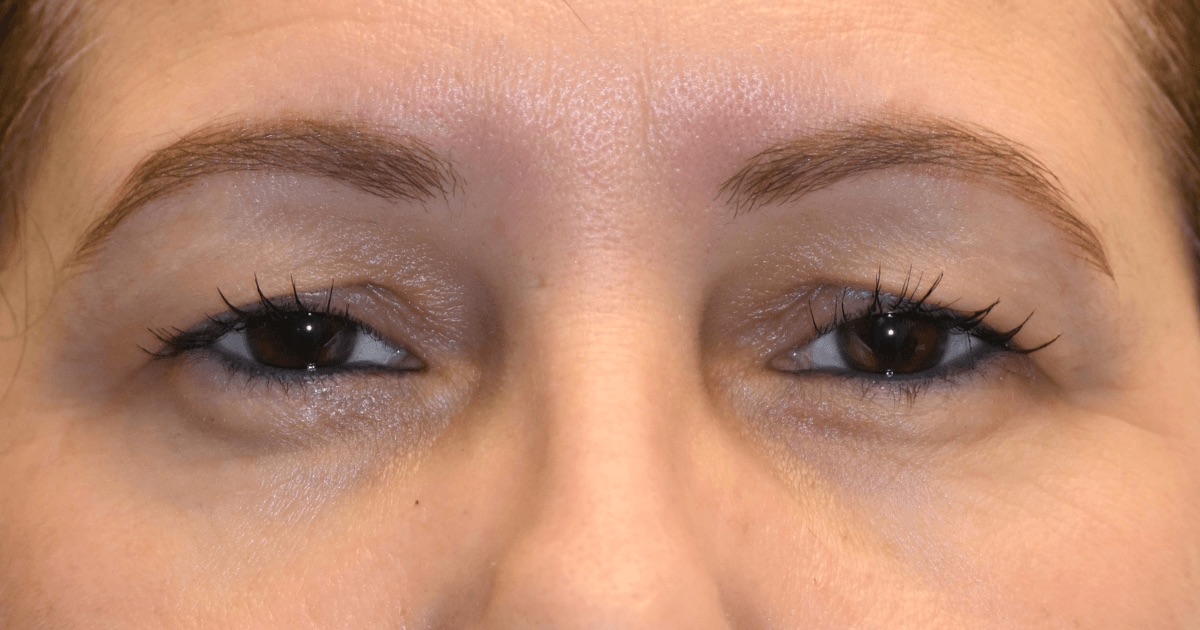
The goal is to remove the excess skin contributing to a tired, heavy or hooded appearance while preserving the natural characteristics that make your eyes yours.
Drag the handle to compare; use the dots to see another case. Individual results and recovery times vary.
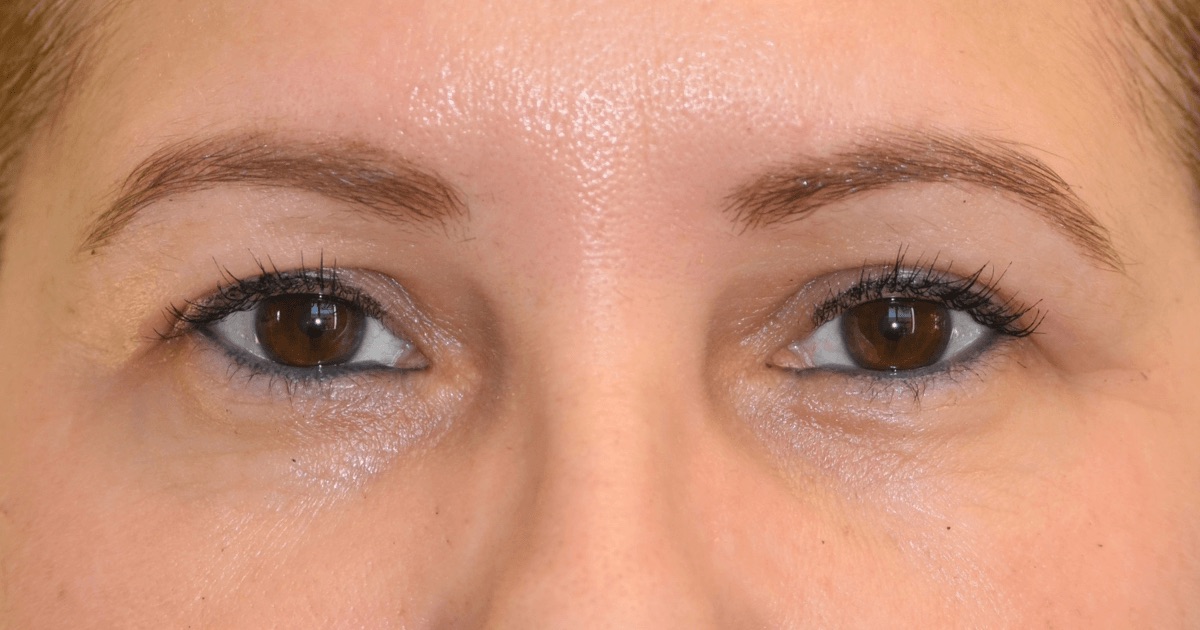
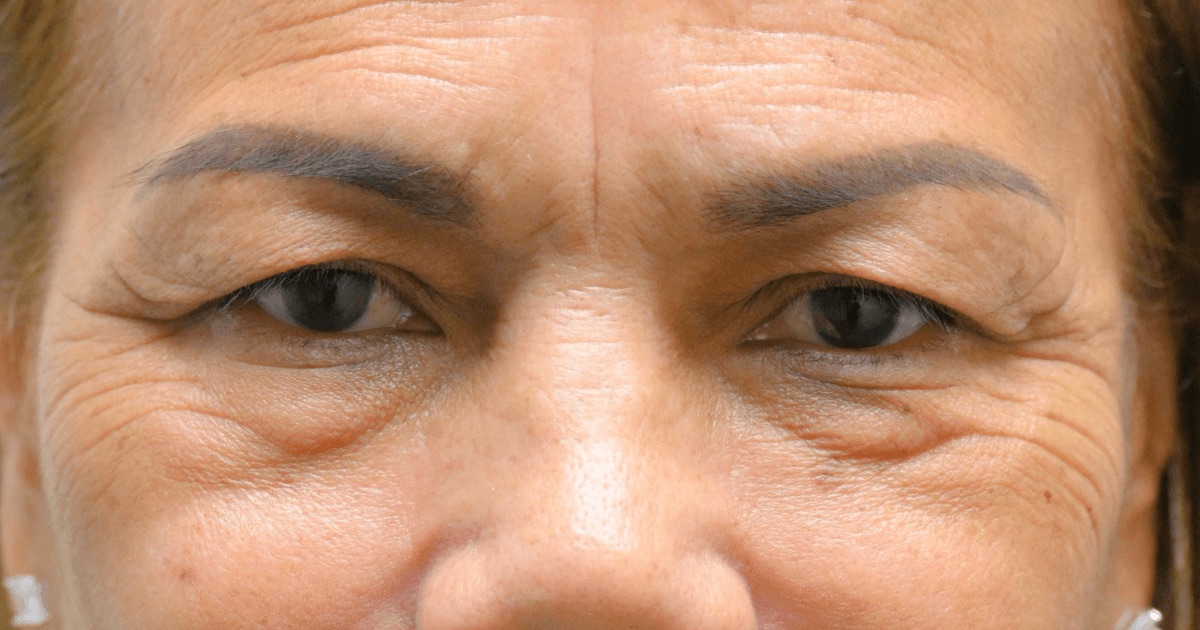
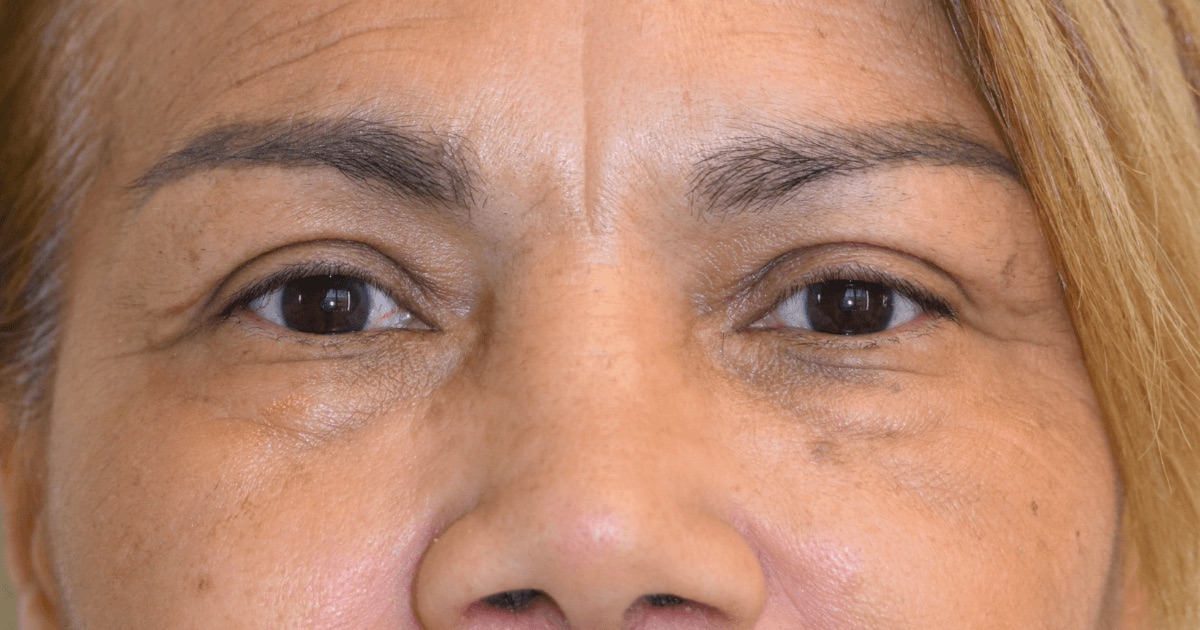
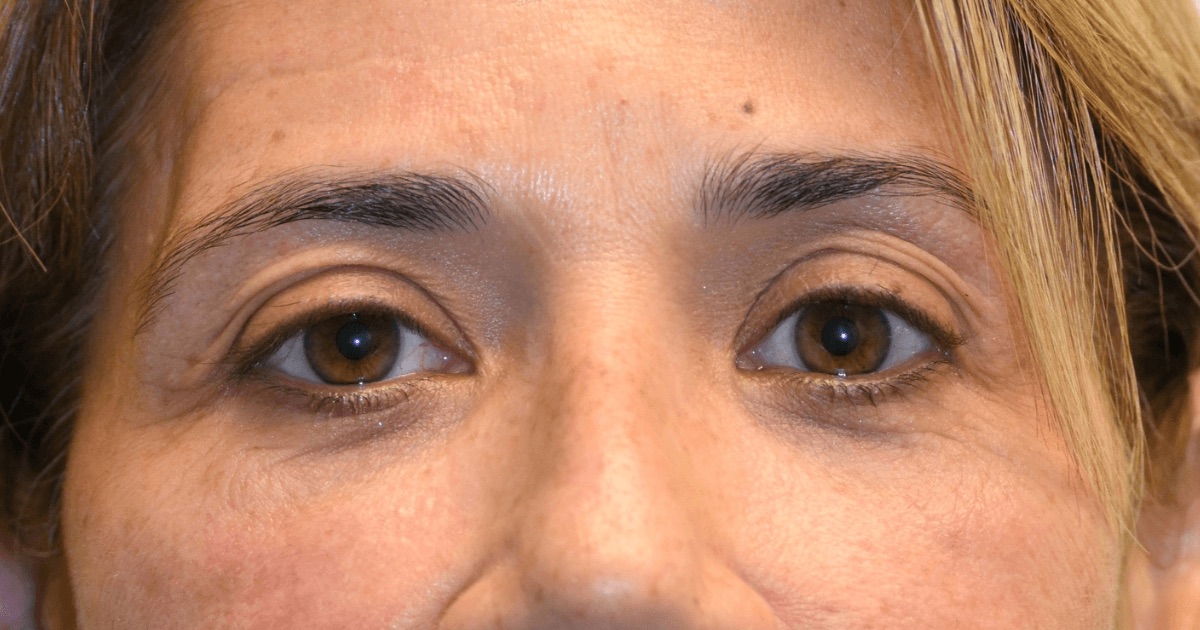
Ziplyft vs. traditional blepharoplasty
Both procedures can remove excess upper-eyelid skin. The major differences are how the procedure is performed, how the area is closed and what recovery may involve.
| Compare | Ziplyft™ | Traditional upper blepharoplasty |
|---|---|---|
| Removes excess skin | Yes | Yes |
| Procedure time | Less than 15 minutes | Typically 30–60 minutes |
| Setting | Physician’s office | Procedure room or operating room |
| Anesthesia | Local anesthetic | General or IV sedation may be used |
| Bleeding control | CoCo™ compression | Cautery may be used |
| Closure | Medical adhesive | Typically sutures |
| Suture removal | None | Typically required |
| Back to social events | Typically 7–10 days | Typically 2–3 weeks |
Which eyelid lift is right for you?
Ziplyft isn’t automatically better than traditional blepharoplasty.
Often a Ziplyft candidate
Patients primarily bothered by excess upper-eyelid skin may be excellent Ziplyft candidates.
May need another approach
Ptosis repair, significant fat or muscle correction, revision surgery or more complex anatomy may need another or an additional approach.
Don’t choose the procedure first.
The technology matters. So does the physician.
Ziplyft simplifies many parts of upper-eyelid treatment. It does not replace medical judgment.

Wesam Silk, M.D.
Board-certified ophthalmologist
Fellowship-trained cornea specialist
- 26,000+
- eye surgeries performed
- 20+ years
- serving Northern Virginia
Why your eyelids appear heavy, how much skin should be removed and whether Ziplyft is appropriate at all — each of these shapes the final result. At Silk Vision the goal isn’t to fit every patient into the newest treatment. It’s to understand your eyes first and recommend the approach that makes sense for your anatomy and goals.
Meet Dr. SilkIs Ziplyft really an alternative to traditional eyelid surgery?
- Typical procedure time
- Less than 15 minutes
- Not temporary tightening
- Actual skin removal
- Medical adhesive closure
- No sutures
- Typically event-ready
- 7–10 days
Ziplyft may be an option for adults with excess upper-eyelid skin who want meaningful correction with less downtime. Dr. Silk will evaluate the cause of your eyelid concerns and determine whether Ziplyft or another approach suits your eyes.
See if you’re a candidateWhat happens during a Ziplyft procedure?
The procedure typically takes less than 15 minutes. Your appointment is longer, to allow for evaluation, preparation, marking, local anesthetic and post-treatment instructions.
Dr. Silk evaluates your eyelids, eye health, anatomy, excess skin and goals to decide whether Ziplyft is appropriate.
The excess skin to be treated is carefully marked, and local anesthetic numbs the area.
CoCo™ technology compresses the tissue, the excess skin is removed, and the edges are sealed with medical-grade adhesive.
There is no operating-room recovery, and no later appointment just to remove stitches.
Swelling and bruising settle as the eyelids heal; most patients are event-ready in about 7–10 days.
Ziplyft recovery: what to expect
One of the biggest reasons patients consider Ziplyft is the shorter, simpler recovery compared with traditional upper eyelid surgery.
-
Treatment day
You leave the office after treatment. Mild swelling, redness or tenderness may begin.
-
Days 1–3
Swelling and some bruising may be visible while the eyelids begin healing.
-
Days 4–7
Bruising and swelling generally keep improving, and the new eyelid contour becomes easier to see.
-
Days 7–10
Many patients are comfortable returning to social events as healing continues.
Am I a good candidate for Ziplyft?
Ziplyft is designed primarily for adults with excess upper-eyelid skin who want a more open, refreshed appearance and are interested in a minimally invasive alternative to traditional upper blepharoplasty.
You may want to explore Ziplyft if you:
- Have heavy or hooded upper eyelids
- Feel your eyes look tired even when you aren’t
- Have visible excess upper-eyelid skin
- Want a more open, refreshed appearance
- Prefer an in-office procedure
- Want to avoid sutures
- Want less downtime than traditional surgery may require
How much does Ziplyft cost?
[Add approved Silk Vision price or starting price]
Get your treatment & pricing recommendationAsk about pricingWhat it depends on
The exact cost depends on your anatomy, your treatment needs and whether Ziplyft alone is appropriate for your eyelids.
What your consultation gives you
Dr. Silk evaluates the problem first, explains your options and gives you a clear recommendation and cost before you decide.
Is Ziplyft covered by insurance?
Cosmetic eyelid treatment is generally self-pay. If excess upper-eyelid skin is significantly interfering with vision, further medical evaluation may be needed to decide whether a medically necessary eyelid procedure is appropriate and whether insurance requirements can be met.
How long do Ziplyft results last?
Ziplyft physically removes excess upper-eyelid skin rather than temporarily tightening its appearance.
-
The skin removed
Does not grow back.
-
Your eyelids
Continue to change naturally as you age.
-
What shapes how
Your anatomy, age, skin quality and lifestyle.
Ziplyft frequently asked questions
Can’t find your question here? Our team is happy to answer it.
Call (703) 876-9700Is Ziplyft actually an eyelid lift?
Yes. Ziplyft physically removes excess upper-eyelid skin rather than simply tightening or treating the surface of the skin. It is designed as a minimally invasive upper eyelid lift for appropriate patients.
How long does Ziplyft take?
The procedure typically takes less than 15 minutes. Your total appointment will be longer to allow time for evaluation, preparation, marking, local anesthetic and post-treatment instructions.
Does Ziplyft require stitches?
No. Ziplyft uses medical-grade tissue adhesive to close the treatment area instead of sutures, so there are no stitches that need to be removed later.
Are you awake during Ziplyft?
Yes. Ziplyft is performed using local anesthetic and does not require IV sedation or general anesthesia.
Does Ziplyft hurt?
Local anesthetic is used to numb the eyelids before treatment. Individual experiences vary, but the procedure is designed to be performed comfortably in the physician’s office.
How long is Ziplyft recovery?
Most patients are considered event-ready within approximately 7–10 days. Some swelling, redness or bruising is normal while the eyelids heal.
How is Ziplyft different from blepharoplasty?
Both procedures can remove excess upper-eyelid skin. Ziplyft is performed in-office using local anesthetic, without sutures or cautery, and typically takes less than 15 minutes. Traditional upper blepharoplasty uses a more involved surgical approach and typically has a longer recovery.
Is Ziplyft better than blepharoplasty?
Not for every patient. The better procedure depends on what is causing your eyelids to appear heavy and what needs to be corrected. Ziplyft may be ideal for some excess-skin cases, while ptosis, significant fat or muscle involvement and more complex anatomy may require another approach.
Can Ziplyft treat ptosis?
Ziplyft primarily addresses excess upper-eyelid skin. Patients who require true ptosis repair may need a different or additional procedure.
Can Ziplyft remove eyelid fat?
Some patients have concerns beyond excess skin. Significant fat or muscle correction may require an additional incision or another approach. Dr. Silk can determine what is contributing to your eyelid appearance during the examination.
Does Ziplyft leave a scar?
Any procedure that removes skin creates an incision that must heal. The treatment line is placed within the natural upper-eyelid crease and Ziplyft uses adhesive rather than sutures. How the area ultimately heals varies by patient.
Are Ziplyft results permanent?
The excess skin removed during Ziplyft does not grow back. Natural aging continues, however, so your eyelids and surrounding tissues will continue to change over time.
What age is best for Ziplyft?
There isn’t one ideal age. Candidacy depends more on your eyelid anatomy, amount of excess skin, eye health and treatment goals than on a particular age.
Ready to see if Ziplyft is right for you?
If excess upper-eyelid skin is making your eyes look heavier, hooded or more tired than you’d like, the next step isn’t guessing which procedure you need. Let Dr. Silk take a look.